Table Of Content
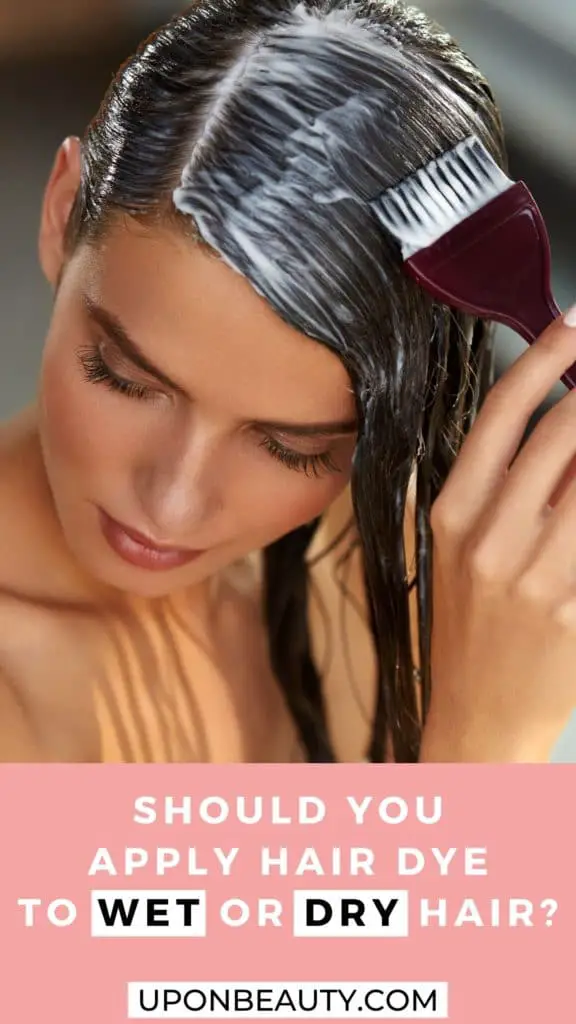
Most temporary hair dyes are specifically designed to be used on wet hair. As mentioned before, when hair is exposed to warm water, the cuticles open up. Hair dye is designed to penetrate your hair cuticles, not sit on top of hair strands, but it can only get truly absorbed into hair cuticles when your hair is dry. For a more even color application when dyeing wet hair, try distributing the color with a wide tooth comb or wet brush. Avoiding common mistakes to protect your dyed hair is important. One mistake some individuals make is rinsing their hair with warm or hot water right after it has been dyed.
Is it safe to dye wet hair at home?
And, you need to remember that we are talking about damp hair, not soaking wet hair. Soaking wet hair will never dye, no matter how hard you are trying. To get a better understanding about dyeing your hair wet or dry, it is best to know the pros and cons. The moment that you know the pros and cons of dyeing wet hair, you will understand why it is better to dye your hair dry. But, why some hair colors prefer wet hair if you want to get the best results.
Pros of Dyeing Wet Hair
In this article, we'll dive into the ins and outs of dyeing wet hair, including who can do it, how to do it properly, and the pros and cons of this method. Knowing the pH scale is essential when dyeing your hair, as it helps to determine which products will provide the best results. The pH balance regulates acidity levels, with acidic solutions having a value below 7 and alkaline solutions above. Are you thinking of changing your hair color for an event but still want to retain your natural tone?
More Subtle Result
When to Wash Hair After Coloring to Prevent Fading—And Other Mistakes to Avoid After Your Salon Visit - NewBeauty Magazine
When to Wash Hair After Coloring to Prevent Fading—And Other Mistakes to Avoid After Your Salon Visit.
Posted: Mon, 07 Aug 2023 07:00:00 GMT [source]
The dirt and oils reduce the adverse effects of the harsh mixtures. Sprinkle or spray a little water on your hair to moisten it before you begin. The more you shampoo your hair, the faster the color fades.
What happens if you dye wet hair?
This gives the color a chance to get more into the shaft than dyeing dry would allow for. "When applying the masks to damp hair, we recommend using gloves to apply the mask, let process for 1-5 minutes, and rinse from the hair," Kusero says. "Because the masks are nourishing and conditioning, there is no need to follow with conditioner, although you absolutely can."
Nonetheless, coloring wet hair is similar to coloring dry hair. However, you must be careful with the amount of moisture you use, as too much water can overpower the dye. Wet balayage is a hair coloring technique that involves bleaching wet hair. By combining a demi-gloss and a lightener, the technique adds depth and highlights. It also adds dimension by reinforcing a base color and brightening the ends of hair strands. While there are many methods of dyeing hair, permanent dye is usually applied to dry hair in the salon.
Once you have applied the dye, use a wide-tooth comb to distribute the color evenly throughout your hair. Follow the instructions on the packaging to mix the dye. Some dyes may require you to add a developer, while others may come pre-mixed. Make sure to mix the dye properly to avoid any patchy spots. Dyeing wet hair can be messy, so it is important to protect your skin from any stains. Apply petroleum jelly or a thin layer of conditioner along your hairline, ears, and neck to create a barrier between the dye and your skin.
But when the pH increases, it causes hair to absorb more water, swell, stretch, and become weaker. Okay, if you really want to dye your hair at home, let’s get into the details. Planning on getting a haircut while you’re trying out a new color? If that’s the case, be sure to read up on the 5 Questions to Ask Yourself Before Getting a New Haircut. The non-drip creme (which helps protect hair as it colors) comes in a variety of shades so that you can easily find your best match. For all-over color…try L’Oréal Paris Féria or L’Oréal Paris Superior Preference.
Can I dye wet hair after bleaching?
The first thing to do is to read the instructions of the hair dye. There you will get the right information about washing your hair before dyeing your hair. Some hair dyes will say that you should have washed your hair prior to dyeing, or you should wait two to three days after a wash. As we said before, it is recommending that you should dye your hair dry, unless your hair dye is saying otherwise. Some of the hair dyes are stating that you need to wet your hair prior to coloring. Then, the hair dye will not take correctly, if your hair is filthy.
Many factors influence whether or not you should dye wet hair, including the quality, type, and formulation of the dye, the type of hair, and the colorist’s experience. Hair, like cloth, has a high water retention capacity and dilutes dye depending on the amount of water used. For instance, you can dye wet hair black and still see some discoloration due to dye dilution. It should also be mentioned that anytime you apply dye to your hair, it’s always best to follow the instructions. You should wash your hair about 12 to 24 hours before dyeing it. A clarifying shampoo will get rid of any product build-up on your hair, allowing for better and more even color distribution.
They raise the hair cuticles to help the color pigment penetrate the hair shafts. In this process, the chemicals also strip the natural oils produced by the scalp. Again, dyeing hair wet is only recommended when you are using semi-permanent hair dye and are looking to keep the color in the same family it is currently in. If you’re stumped trying to answer the question, “do you dye wet or dry hair,” there isn’t necessarily one right answer. Sometimes, dyeing wet hair may be recommended, while other times you may find that it is best to dye your hair when dry.
The moisture encourages the even distribution of the colorant, saving quantity and time. Dry hair application takes more time as the dye takes longer to spread to every strand. When using a boxed hair dye, it’s critical that you follow the instructions on the product’s packaging for the best results. This is the best way to create the hair colors promised by the product’s manufacturer. Now that we’ve established that you can dye your hair while it’s wet or dry let’s discuss what happens when you’re coloring wet hair and several considerations.


No comments:
Post a Comment